Sep 30, 2026 | Flooring America
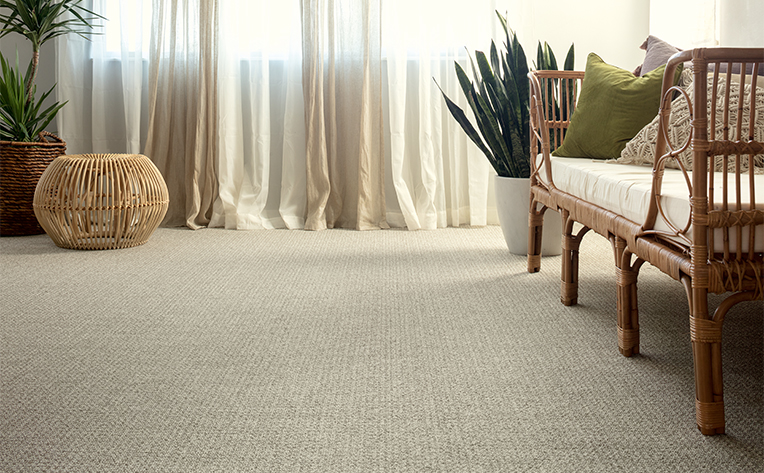
It's easy to spend all your energy picking out the perfect carpet color and texture, but what's underneath matters just as much. Carpet padding, also called carpet cushion, protects your floors, changes how a room feels underfoot, and can add years to your carpet's life.
So what actually makes a good carpet pad? How thick should it be, and does the type you pick really matter? We're here to help walk you through it. This guide covers everything: what carpet padding does, the types you'll come across, how to choose the right thickness and density, and how to match padding to each room in your home. Read on to explore how the right padding sets your new carpet up to last.
Carpet padding protects your carpet from two directions at once. Underneath, it keeps your carpet from wearing directly against the hard subfloor. On top, it cushions your carpet against furniture indentations and everyday foot traffic. Without a good carpet pad, your carpet wears out on both sides at once, so you'll be shopping for a replacement much sooner than you'd like.
Carpet cushion also helps your new carpet lay flatter and stay smoother over time. It absorbs a lot of the stress that would otherwise land on the carpet fibers themselves, so your floor keeps its shape and looks newer for longer.
Padding does more than protect, it also insulates. A good carpet pad helps hold onto heat in your home, which can make a real difference on chilly mornings and take a little pressure off your heating bill. It also cuts down on noise, both the sound bouncing around a room and the sound traveling to the floor below.
Turning a basement into a game room or a den into a home office? A solid carpet pad underneath will help keep the noise where it belongs. It also gives you that soft, comfortable feeling underfoot that makes a room feel finished and welcoming.
Not all carpet padding is built the same way, and the type you choose plays a big role in how your carpet performs and feels. Here's a look at the most common options, so you can find the right fit for your space.
Foam is one of the most popular choices for carpet cushioning, and it comes in a few different forms. Rebond foam is made from recycled foam scraps bonded together, which makes it a durable option that works well under most types of carpet. Memory foam padding offers a plush, cushioned feel that's great for bedrooms and other cozy spaces. Frothed foam is a denser option that holds up well over time and is often used in busier rooms.
Rubber padding is known for being tough and long-lasting. It stands up well to moisture and heavy use, which makes it a great fit for spaces that see a lot of activity. It's often a bit firmer underfoot than foam, so it's the right tool for rooms where durability matters most, like stairs or a mudroom.
Fiber padding, made from synthetic materials or natural fibers, is flat, firm, and dense. It's often recommended for Berber and other low-pile carpets, since these carpet styles need a firm, stable base underneath to avoid stretching or looseness over time.
Every one of these padding types has its place. It comes down to matching the pad to the carpet style and the room it's going in, so each part of your home gets the support that works best for it.
Not all padding is created equal, and two things decide how well it performs: thickness and density. Thickness is simply how tall the pad is, while density is how much material is packed into it.
Thickness:
Density:
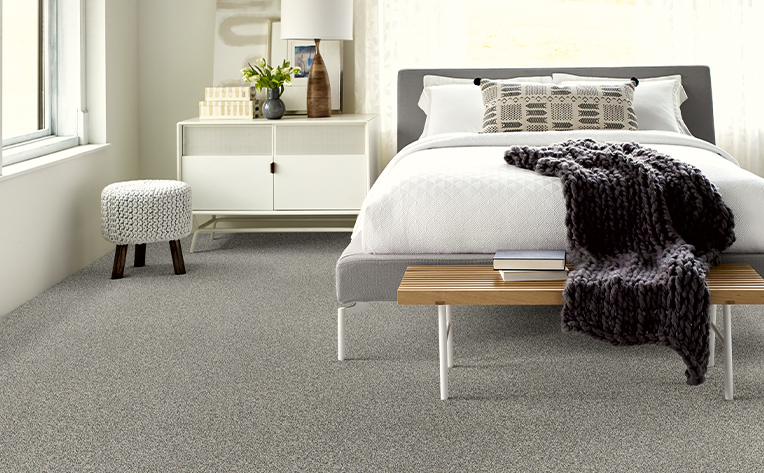
Yes, more than most people expect. The right carpet pad changes how your floor feels underfoot, how quiet a room is, and how long your carpet actually lasts. Skimping here tends to show up as flattened, worn carpet years before it should.
In most cases, fresh padding is worth it. Old padding compresses and breaks down over time, even when the wear isn't obvious from the top. Installing new carpet over tired old padding means your beautiful new floor won't get the support or the lifespan it deserves. Think of padding as part of your new carpet, not a leftover from the last one.
Most carpet does, but some carpet tiles and specialty products come with padding already attached to the back. Always check what your specific carpet calls for before you buy, since installing the wrong pad can affect your warranty.
Carpet padding might be the part of your floor you never see again once installation is done, but it shapes how your carpet feels and performs for years to come. Taking the time to choose the right type, thickness, and density for each room in your home pays off every single day you walk across that floor.
If you have questions about finding the best padding for your new carpet, our friendly flooring team is always here to help you sort through the options and find what fits your home and your family best. Don't wait to contact us today and get started on your next flooring project.
